Stay the person who lives here. On your terms.
Three out of four adults over 50 want to stay in their own home as they age. The bathroom is where that plan most often falls apart, and it's the easiest room to fix.
The numbers, sourced
Why the bathroom, and why now
1 in 4
adults 65 and older report a fall each year. That's more than 14 million people. One fall roughly doubles the odds of another.
CDC, Older Adult Falls Data, 2026
+21%
rise in the fall death rate for adults 65+ between 2018 and 2024, from 64.7 to 78.4 per 100,000. Falls are the leading cause of injury death in that age group.
CDC, 2026
2 of 3
bathroom injuries treated in U.S. emergency rooms happened in or around the tub or shower, and four out of five were falls.
CDC MMWR, bathroom injuries study
75%
of adults over 50 want to remain in their current home as they age.
AARP Home and Community Preferences survey, 2024
We don't claim any product prevents falls. What public-health guidance (CDC STEADI, National Institute on Aging) does recommend is removing the step-over, adding a place to sit, anchoring grab bars, and using a handheld shower. That's the whole list below.
Two ways to protect yourself
Remove the climb. Add the support.
1. Low step-in access
A standard tub wall is about 15 inches tall. Climbing it wet, one-legged, holding a towel bar is the single riskiest move most people make all day. A low-barrier shower replaces that with a ¾-inch beveled curb. A walk-in tub replaces it with a door and a seat.
2. Support where your hand goes
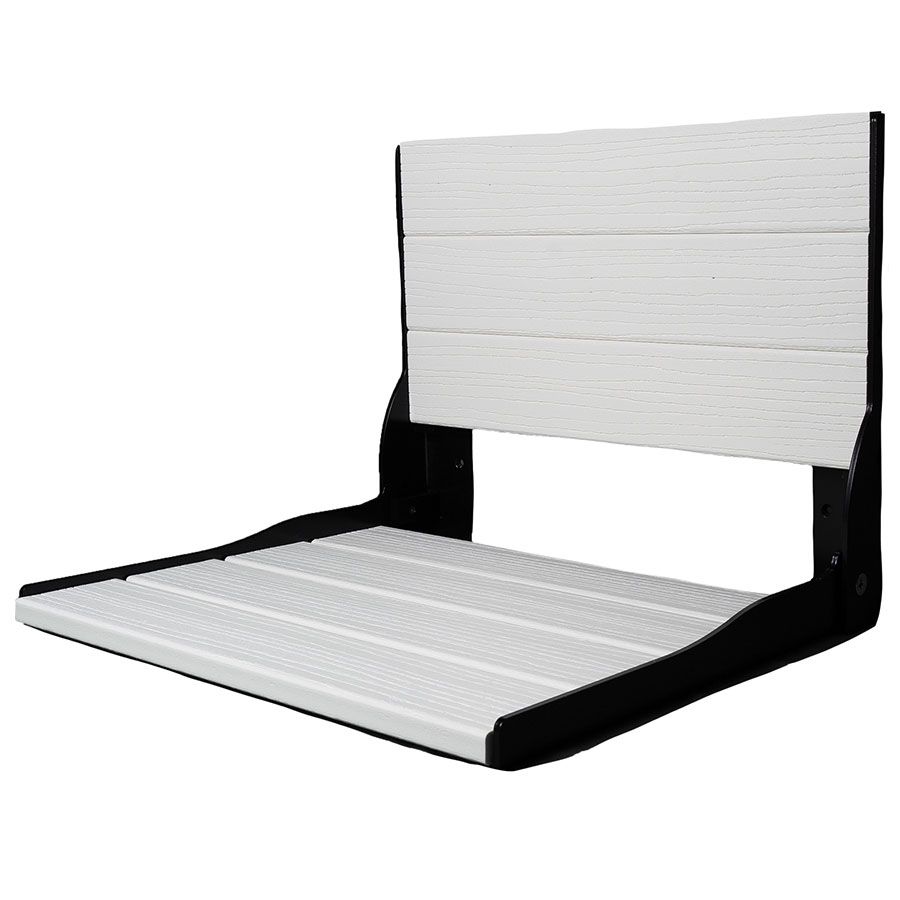
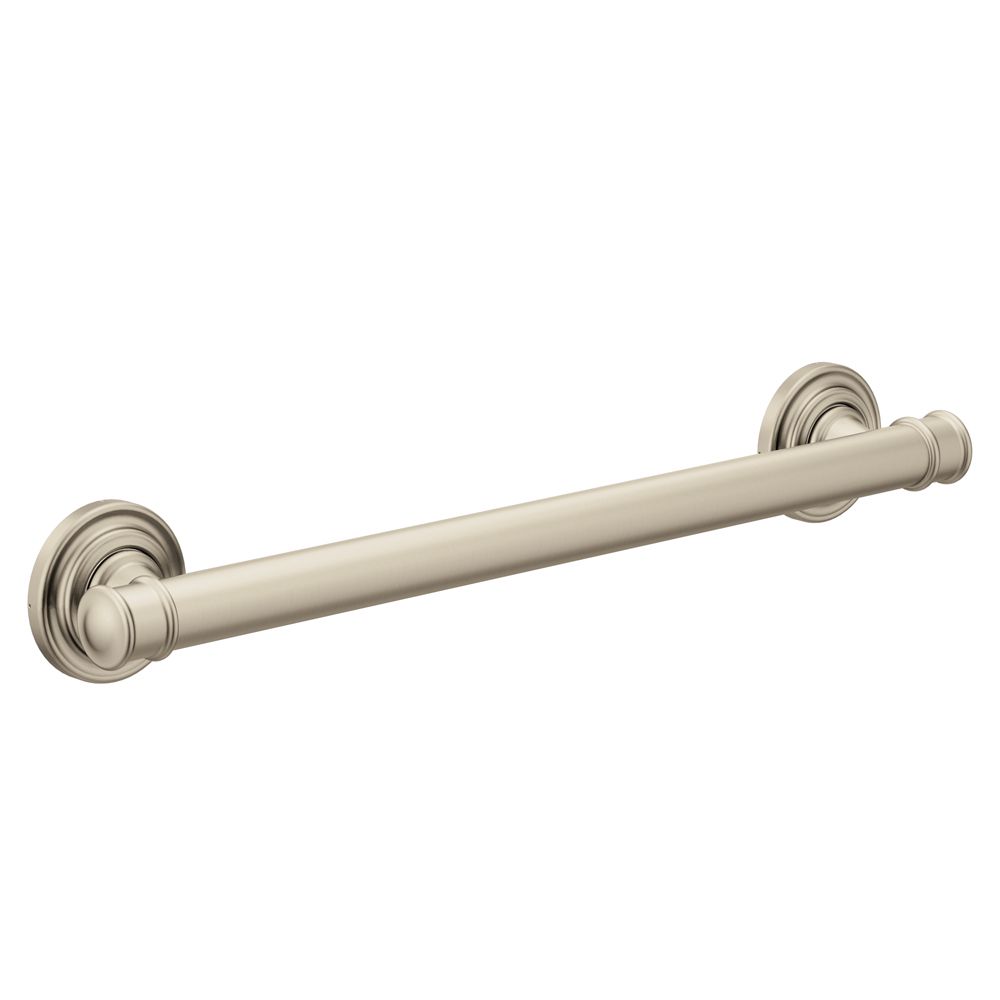
A built-in or fold-down seat, grab bars anchored into blocking we install (not hollow drywall), and a Delta handheld on a slide bar so you can rinse seated. We locate each one with you at the estimate, where your hand actually reaches, not where a diagram says.
Our honest take
Walk-in tub or low-barrier shower?
Choose a low-barrier shower if…
- You mostly shower today and want it to still work in ten years
- You want to use it standing now and seated later, with a handheld
- You don't want to wait for a tub to fill or drain
- Budget matters: it starts around $8,000 vs. $12,000
This is what we recommend for most people. It's the shower you grow into, not out of.
Choose a walk-in tub if…
- Soaking or hydrotherapy is the point: arthritis, circulation, pain
- You transfer from a walker or wheelchair and an out-swing door helps
- You're fine sitting while it fills and drains (we'll be honest about the wait)
We sell plenty of both. We'll tell you which one fits, and the quote will say the same thing either way.
Products that execute the plan
The short list
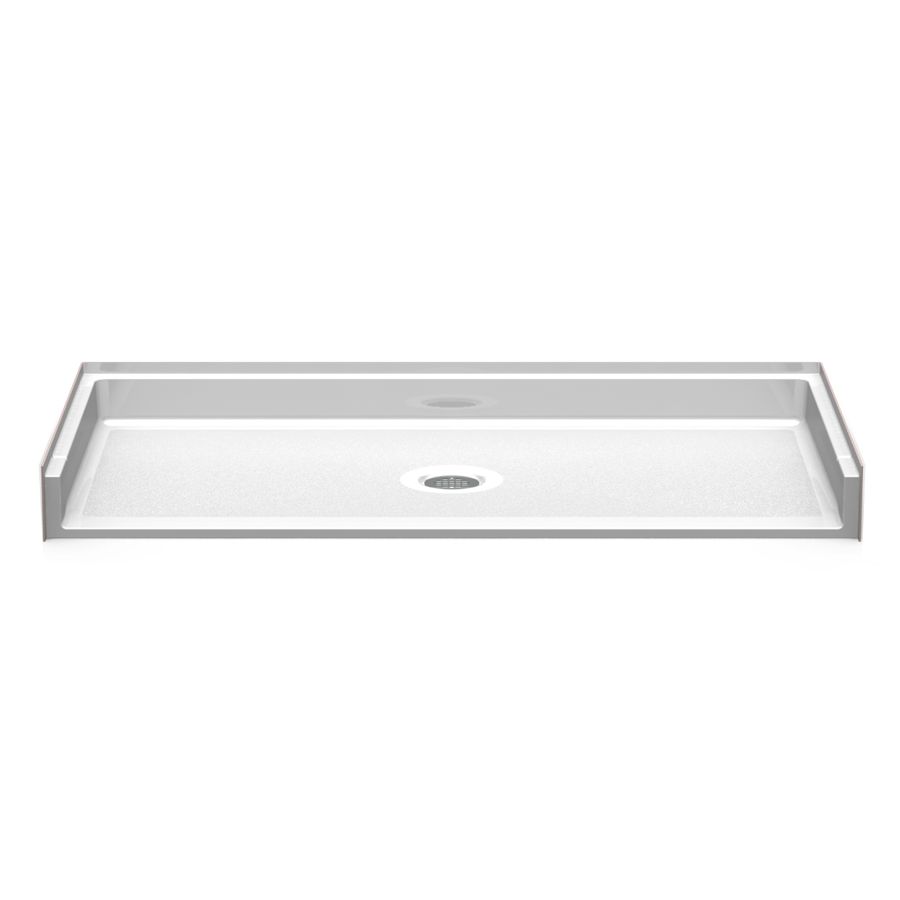
Low-barrier base
¾-inch beveled curb, built-in slope. Details →
Built-in or fold-down seat
Blocked into the framing, weight rating in writing.
Anchored grab bars
Four finishes, every one into solid blocking.
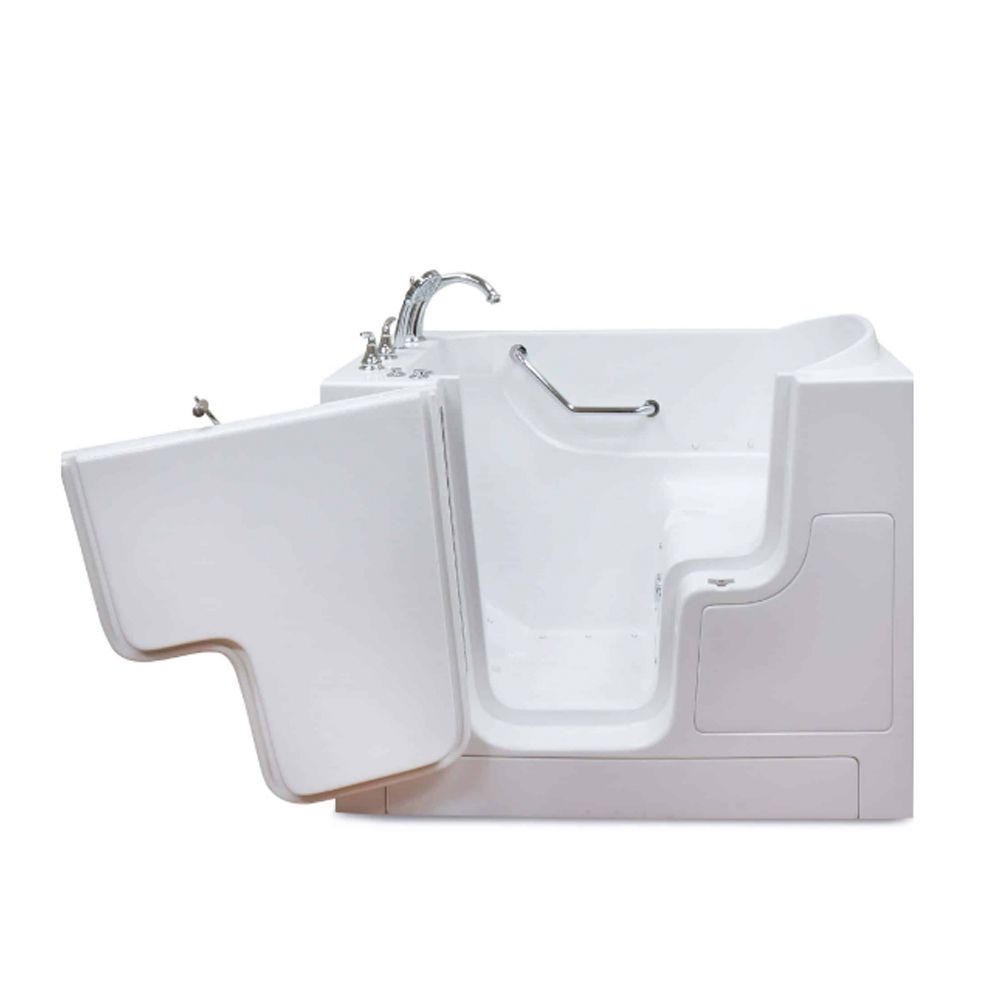
Walk-in tub
In-swing or out-swing door, built-in seat. Models →
Manufacturer product examples, shown for the product look.
What it costs
Pricing, in one place
| Low-barrier shower, installed | From $8,000 | Seat, grab bars, handheld, and glass priced at measurement |
| Walk-in tub, installed | From $12,000 | Jets, water heater, door widening, surround priced at measurement |
| Financing | ~$200/mo | On approved credit through a third-party lender |
A remodel can reduce risk; nothing can promise there will never be a fall. We won't tell you it "pays for itself." We'll tell you what it costs.
Let's make the bathroom the safest room in the house.
Free in-home estimate. We'll walk the room with you, mark where support belongs, and put every line in writing.
Request a free in-home estimateOr call or text 214-974-8375 · Financing from about $200/month on approved credit